Gallery · Room 01 · Paris, 1874–1886
Impressionism
Painters who worked quickly, often outdoors, in broken strokes of pure color to catch light and passing moments of modern life.
Wall text
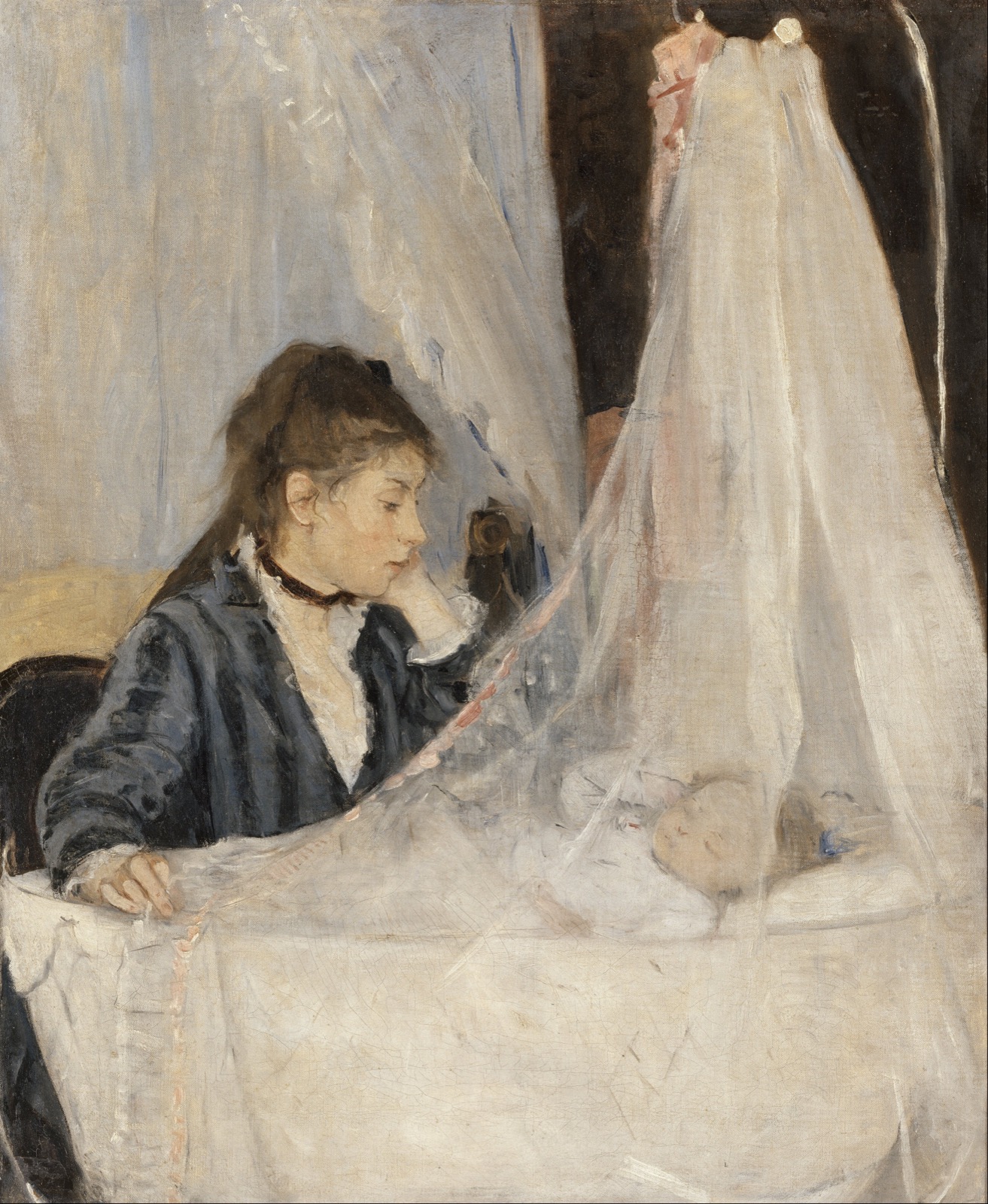
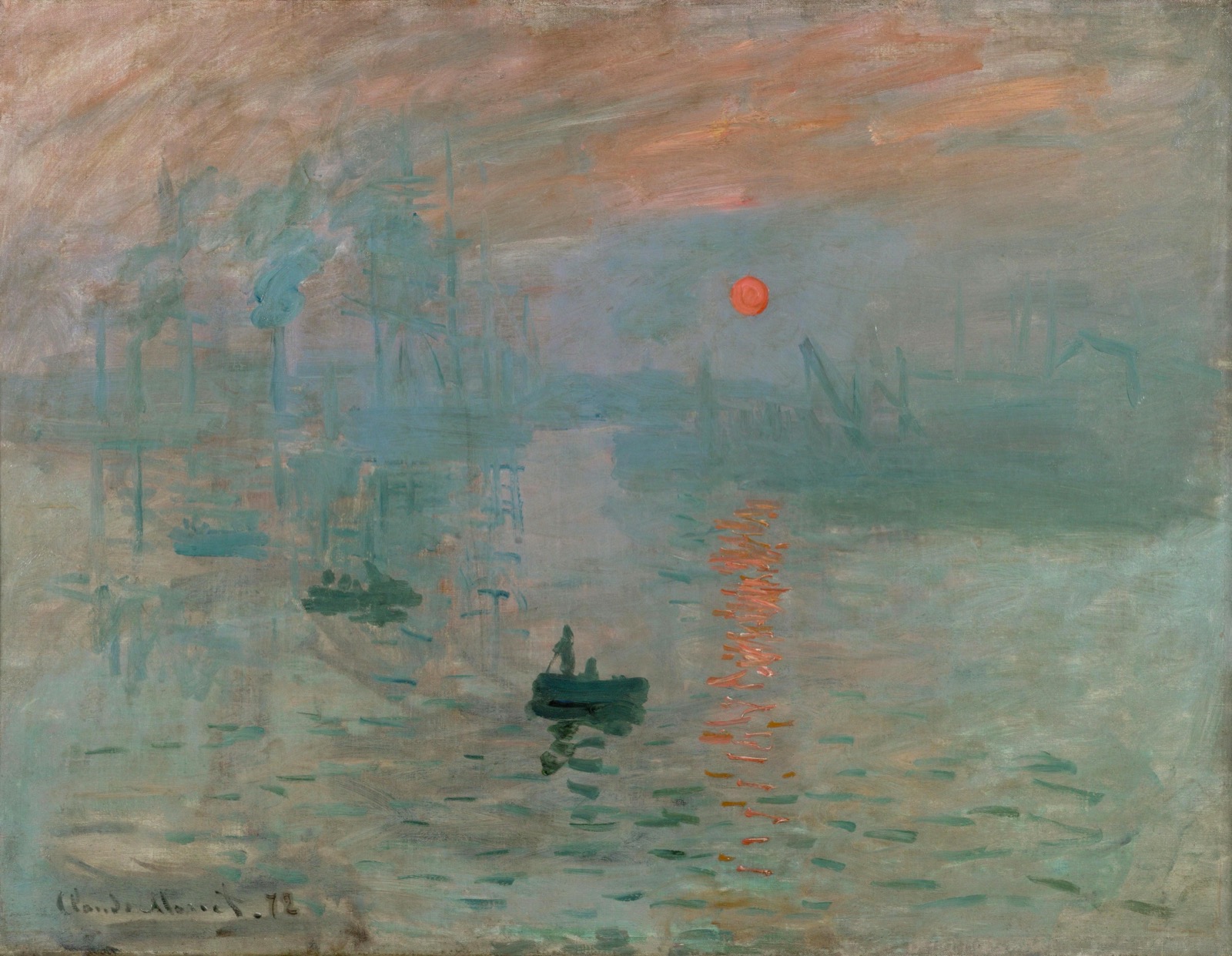
In December 1873, Monet, Renoir, Pissarro, Sisley, Cézanne, Morisot, Degas and others formed a society to show their work outside the official Salon. Their first exhibition opened on 15 April 1874 at 35 boulevard des Capucines, the former studio of the photographer Nadar. Reviewing it in the satirical paper Le Charivari, the critic Louis Leroy borrowed the title of Monet's Impression, Sunrise and called the painters Impressionists. Some of them later took up the name. The group exhibited together eight times, the last in 1886.
Many worked outdoors, in front of the subject, to catch the passing effects of sunlight. They painted quickly, in short, broken strokes of pure, unblended color, and often painted shadows in color rather than grey or black.
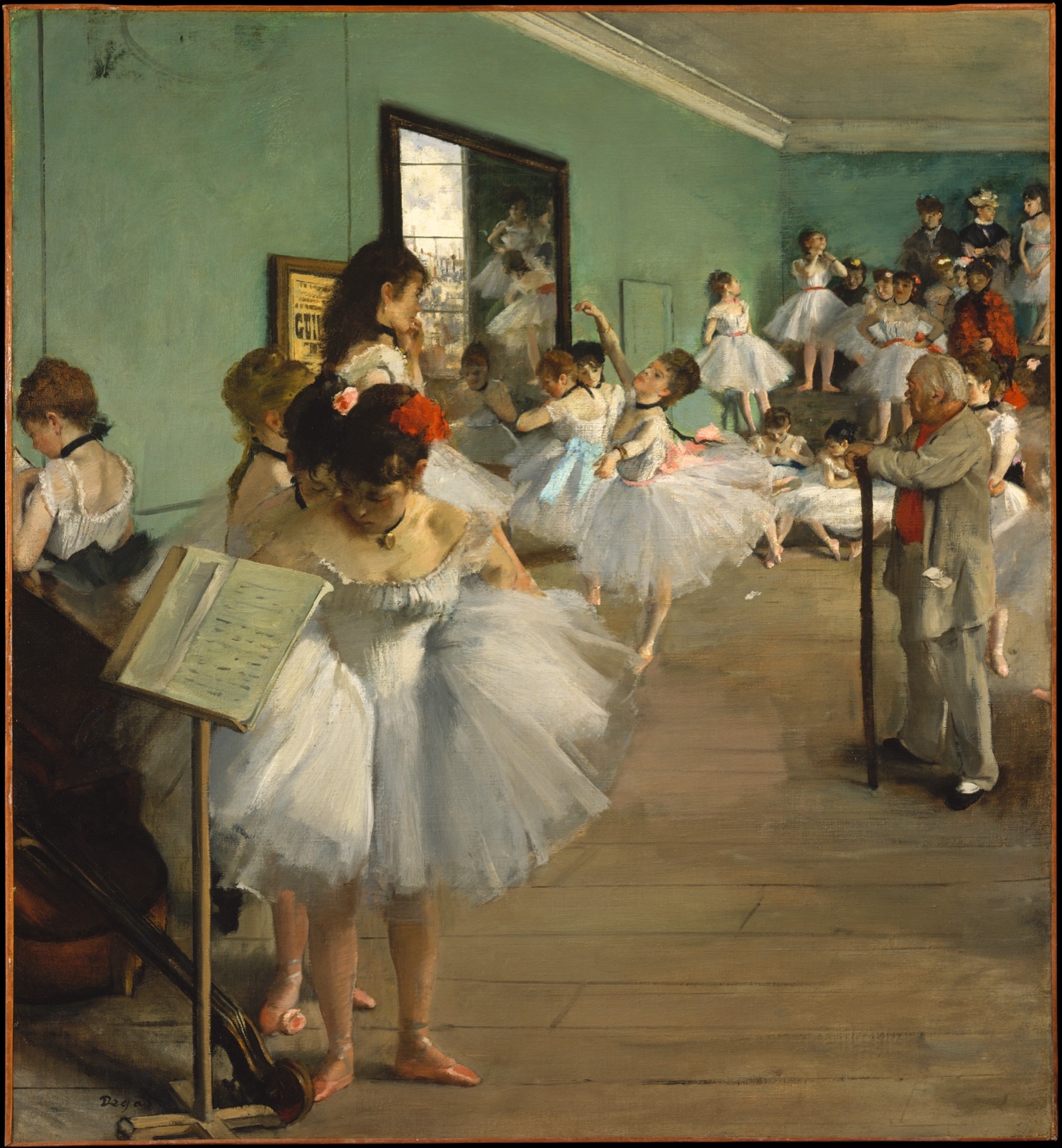
Photography's accuracy challenged painting's old claim to truth. Painters turned to light, color and movement, which the camera could not yet easily record. Photographs and Japanese woodcut prints both encouraged cropped, off-center views of everyday life. Degas, who collected Japanese prints, often cut figures off at the edge of the picture.