Gallery · Room 05 · Russia, 1915–1930s
Constructivism
Art put to work for a revolution: red wedges, photomontage and type at an angle.
Wall text
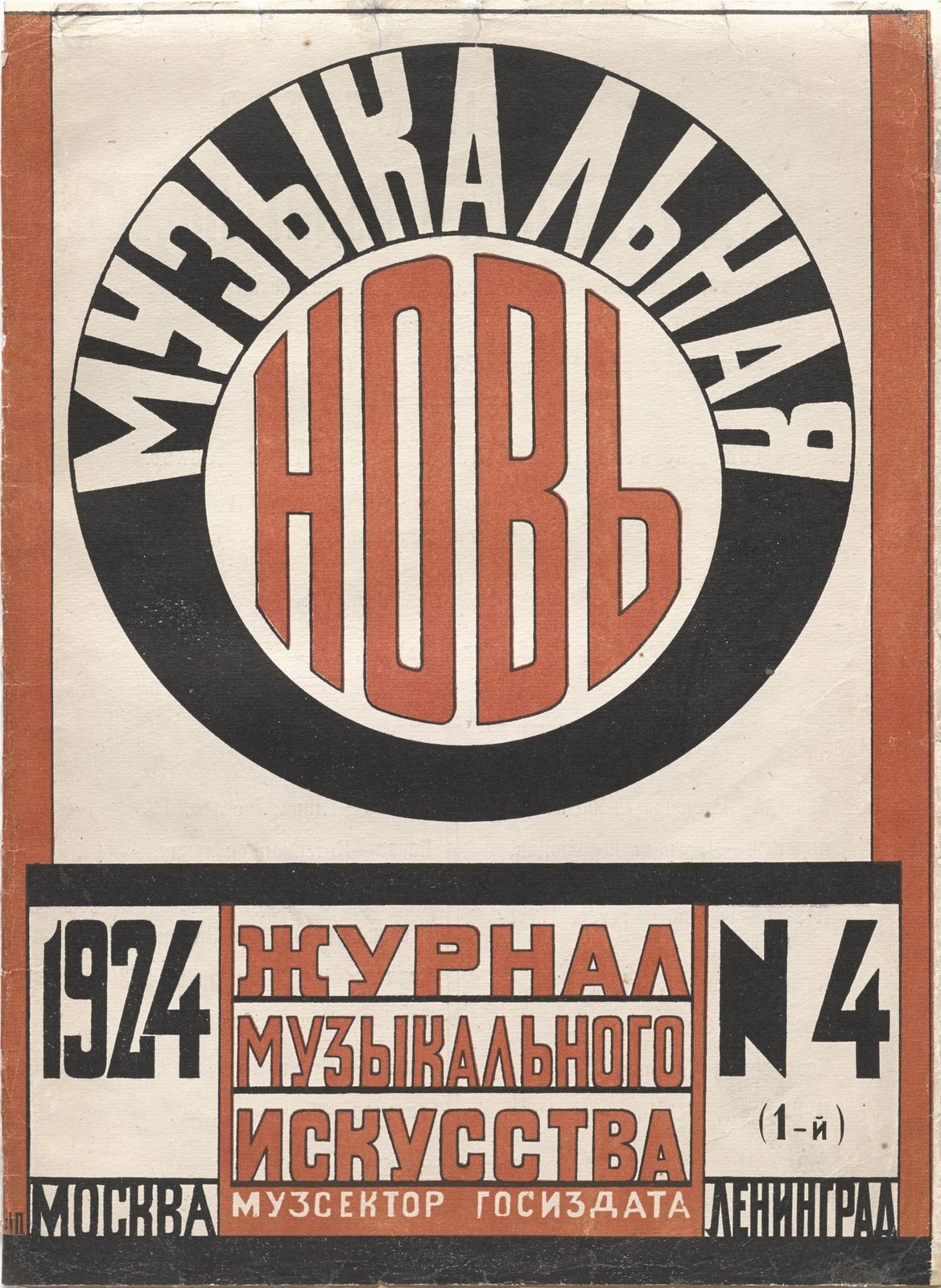
Constructivism began in Russia around 1915 with Vladimir Tatlin and Alexander Rodchenko, who believed art should reflect the modern industrial world and serve it. After the 1917 revolution its artists turned from easel painting to posters, books, furniture, textiles and stage sets. In March 1921 seven of them, including Rodchenko, Varvara Stepanova and the brothers Georgii and Vladimir Stenberg, formed the First Working Group of Constructivists in Moscow.
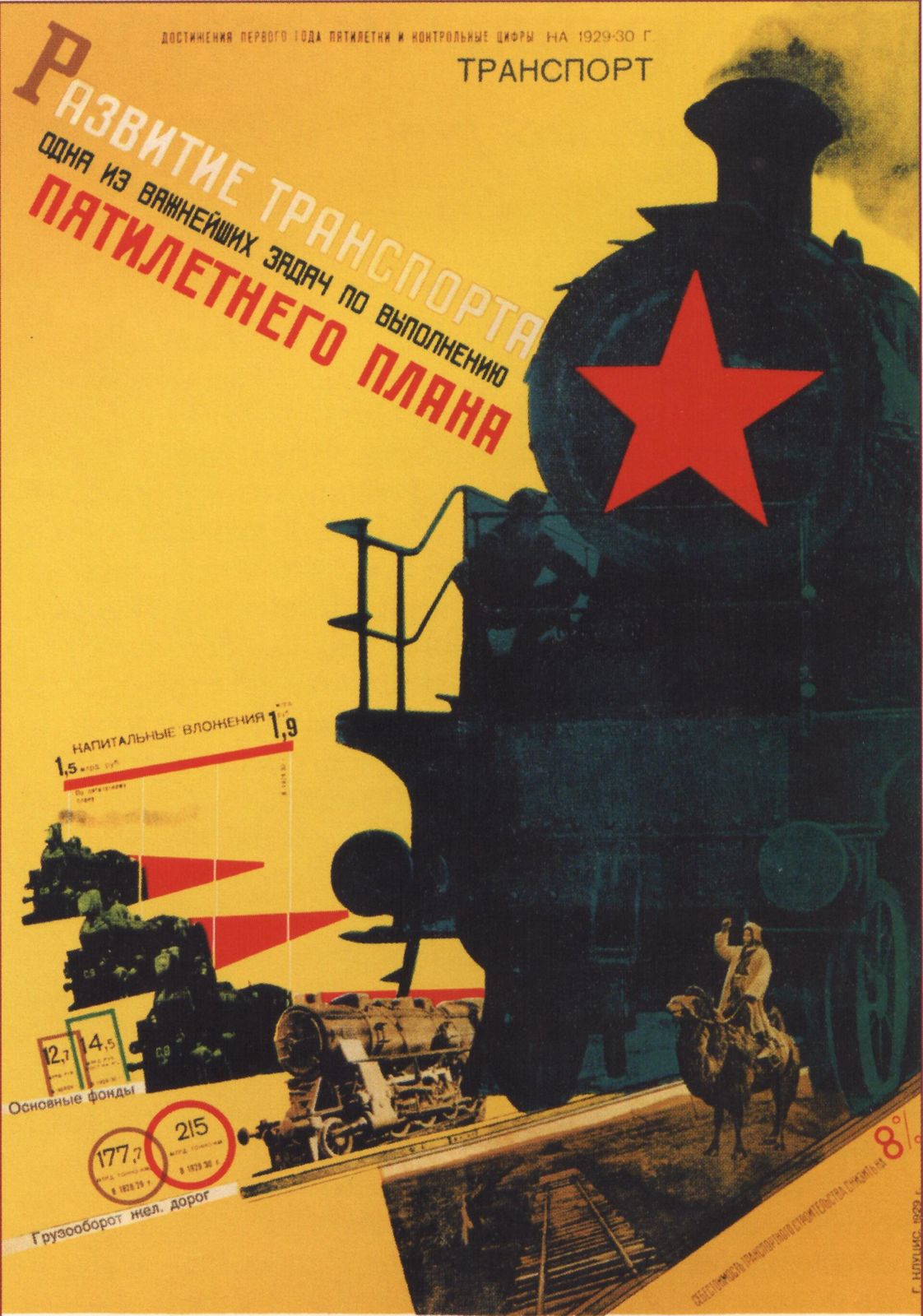
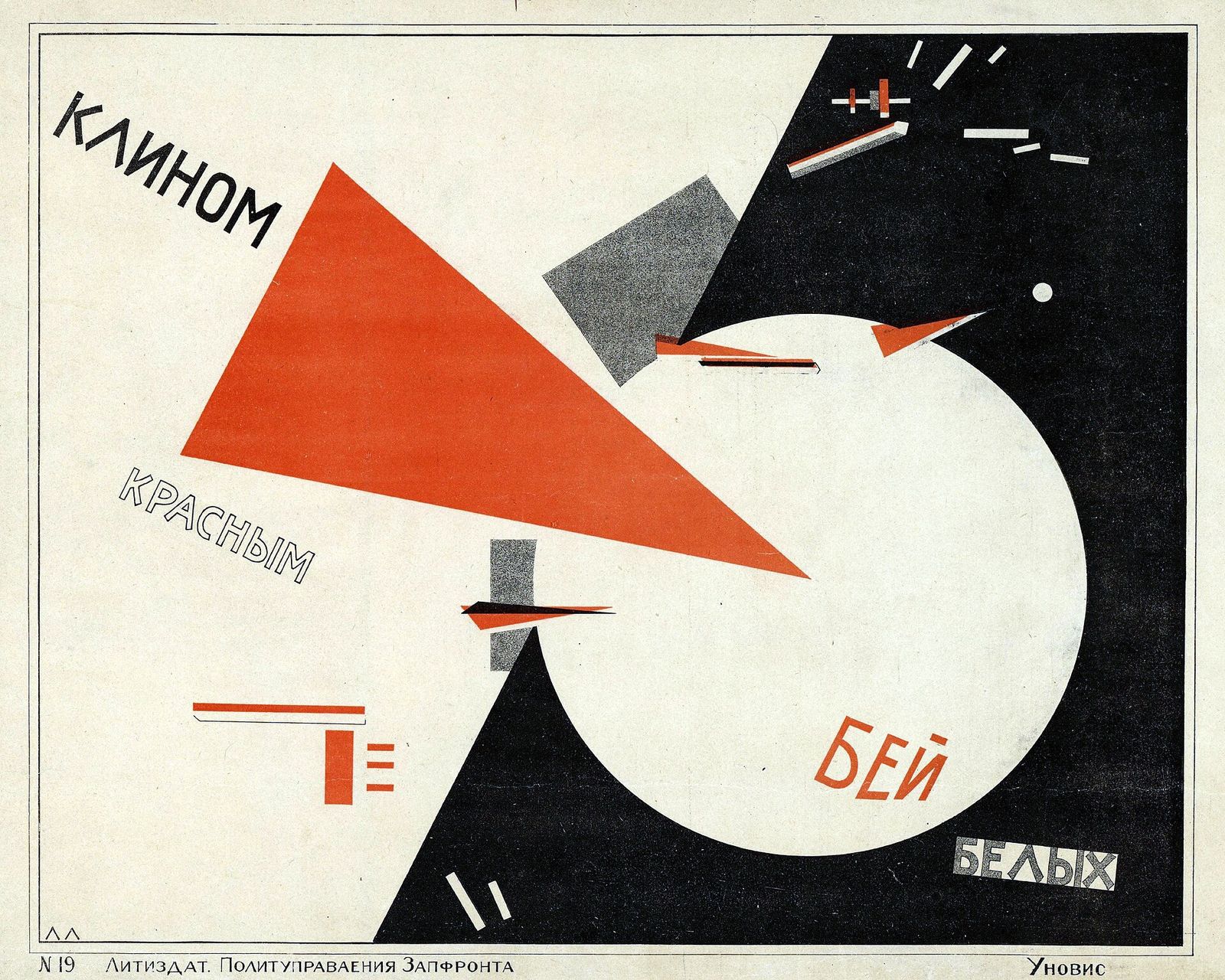
El Lissitzky's Beat the Whites with the Red Wedge, made in 1920 for the Red Army on the Western Front during the Civil War, turned politics into geometry: a red wedge pierces a white circle. Gustav Klutsis, one of the inventors of political photomontage, taught color at the VKhUTEMAS design school from 1924 until it closed in 1930.
As the state turned to realism, Constructivism was suppressed. Klutsis was executed by the secret police in 1938. Naum Gabo and Antoine Pevsner carried its ideas west, where they shaped modern sculpture, typography and graphic design.